Business Waste Removal in Fulham
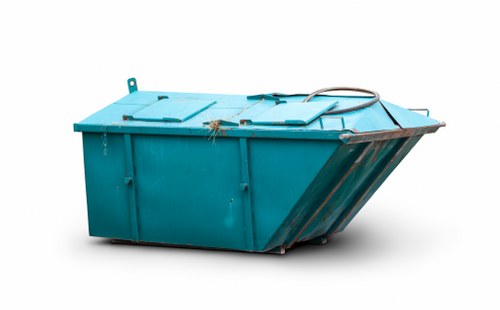
Business waste removal in Fulham needs a service that is organised, straightforward and suited to the way commercial premises operate. We provide a practical approach for offices, shops, hospitality venues, managed buildings and other workplaces that need waste taken away with care and in line with the materials involved. The aim is to keep collections clear, the process simple and the outcome useful, whether the load is a one-off clearance or part of a recurring arrangement.
Our work covers a broad range of commercial waste streams, including general office waste, unwanted fixtures, bulky items, mixed rubbish and items that need separating before disposal. Where useful, we can support businesses that need office clearance as part of a wider waste removal plan, especially when furniture, paperwork, shelving or redundant equipment has built up. The emphasis is on removing what no longer serves the premises while keeping the process orderly and appropriately handled.
For a quotation, it helps to outline the type of waste, the volume and any access details that may affect the collection. If you already know the main categories involved, that gives a sensible starting point for planning. Clear information leads to clearer pricing conversations, and it also makes it easier to match the job to the right removal method. Tell us what needs shifting and we can discuss the most suitable approach.
Commercial waste collections for everyday business premises
Many workplaces need removal support that fits around normal trading hours, building rules and storage constraints. Commercial waste collection is often about dealing with items that are awkward to leave on site for long, such as bagged waste, packaging, broken office furniture or redundant display pieces. A good collection service should keep the workflow practical, avoid confusion over what is being taken and make sure the waste is handled in a way that suits the type of premises.
In some settings, different waste types need to be kept apart before collection. That may mean separating general rubbish from recyclable material, isolating sharp or bulky items, or identifying anything that needs particular attention. When office clear-outs are involved, it can help to review the available pricing and quotes information alongside the scope of the job so the likely factors are understood in advance. Typical influences include volume, access, item type and how much sorting is needed on site.
How the collection is usually planned
Planning does not need to be complicated, but it does need to be accurate enough for the work to proceed smoothly. A brief description of the items, their location within the premises and any restrictions on lifting or parking is often enough to begin with. Where there are multiple floors, shared entrances or tighter corridors, those details can matter as much as the waste itself. The goal is to avoid delays and make the removal fit the building rather than disrupt it.
Office waste and furniture removal
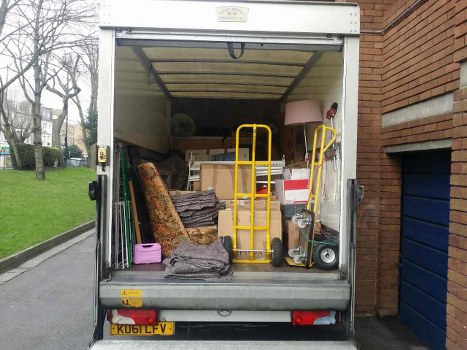
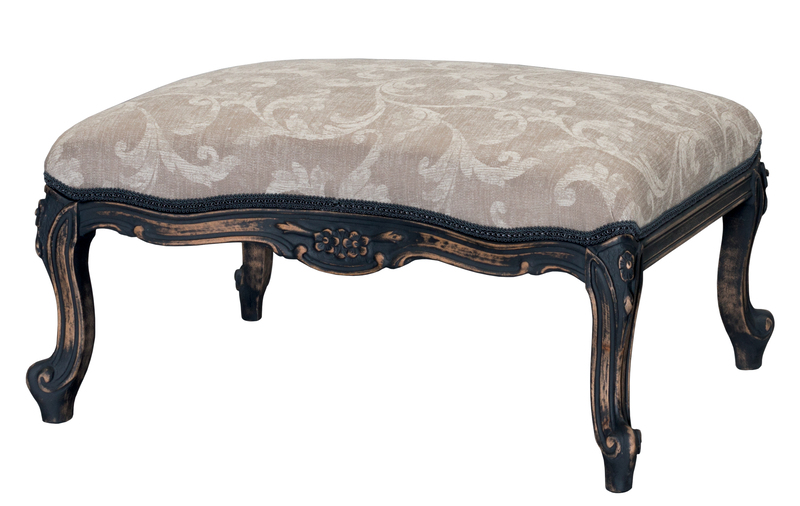
Office waste removal is rarely limited to paper and bagged rubbish. It often includes desks, chairs, storage units, monitors, partitions, old reception furniture and mixed office contents that need a structured approach. We can also work alongside customers who need furniture clearance when the emphasis is on removing multiple items from a workplace in one organised visit. This is especially useful where the items are still usable in parts but no longer suitable for the current layout or occupancy.
Where furniture is being taken away, access and safe handling become central. Office furniture can be heavy, awkward to manoeuvre and difficult to remove without first checking routes through the premises. It may also need separating from fixed installations or disassembled before it can be carried out. Businesses often prefer a service that keeps the floor clear, treats the building carefully and leaves the space ready for its next use without leaving mixed waste behind.
There are also situations where documents and sensitive material form part of the office load. In those cases, confidential items need a different handling process from ordinary office rubbish. If shredding is required, it should be arranged as a separate, appropriate service rather than mixed into general waste. That distinction helps protect information and keeps the collection method aligned with the contents.
Bulky items, fixtures and specialist disposal
Some commercial clearances involve bulky or hard-to-handle items rather than ordinary bagged rubbish. That can include filing cabinets, shelving, shop fittings, broken appliances, reception units, display furniture and other large objects that occupy valuable floor space. A capable waste removal service should deal with those items in a measured way, taking account of the building layout and the weight, shape and condition of each piece. The purpose is not simply to move objects out; it is to remove them without causing avoidable disruption.
Where appliances or other dedicated items are involved, it is sensible to separate them from general waste and deal with them according to their material type. Businesses may also need help with items that are too large for standard waste streams, or with mixed loads where some components can be recycled while others cannot. If your premises also need fridge and appliance removal, that can be aligned with the wider clearance plan so the collection remains structured and clear.
When specialist handling becomes important
Specialist handling matters when the item is heavy, contains components that need sorting, or may require extra care because of the building environment. That can affect how many people are needed, what route is taken and whether certain pieces should be removed intact or broken down first. For business owners and managers, the key decision is usually whether to treat the item as general rubbish, reusable furniture or a dedicated appliance category. Making that distinction early keeps the job practical and reduces uncertainty.
Waste removal for workplaces with changing layouts
Commercial premises change over time. A business may redeploy rooms, take on new tenants, refresh a customer area or clear stock from storage rooms that have gradually filled with obsolete items. Waste removal in those situations often supports a wider change of use rather than a single tidy-up. The service needs to be flexible enough to deal with mixed contents, but disciplined enough to keep useful items apart from rubbish and recyclable material where that is relevant.
For larger reorganisations, it can help to think in terms of zones. Reception, back office, storage, stockroom and meeting areas may each contain different waste types. A staged approach can make the overall clearance more manageable, especially where access is shared or the premises remain in use while the work happens. Businesses that need business waste removal as an ongoing service may prefer a regular pattern, while others only need support when a project or changeover creates a backlog.
The most useful outcome is a workplace that is easier to use again. That might mean reducing clutter, opening up storage space, removing redundant items that block circulation or clearing bulky waste before a refit. Order matters in commercial clearances, because even a modest amount of unnecessary material can get in the way of day-to-day operations. A considered removal plan keeps the job focused on what actually needs to go.
About Fulham
Fulham is a district in southwest London within the London Borough of Hammersmith and Fulham, lying on the north bank of the River Thames. Its character has been shaped by a long history of riverside settlement, ecclesiastical landholding and later urban development. Fulham Palace, once the historic residence of the Bishops of London, remains one of the area’s best-known landmarks and is set within grounds that include formal gardens and the remains of older structures. The district also contains a mixture of Victorian terraces, mansion blocks and later housing, reflecting phases of growth that accelerated in the nineteenth century as transport links improved and London expanded westwards.
The river edge is one of Fulham’s defining features, with the Thames Path running through parts of the area and offering views across to Putney and beyond. Bishops Park provides open green space close to the waterfront, while Eel Brook Common offers a different kind of local landscape away from the river. The district is also known for its sporting associations, especially around Stamford Bridge on its eastern edge and Craven Cottage near the river, both of which contribute to the broader identity of the area. Parsons Green, with its village-like character, sits among streets lined by shops, cafés and residential buildings, giving Fulham a varied urban texture. The area’s blend of historic sites, open spaces and dense neighbourhood streets makes it one of the more recognisable parts of west London.
Clearance support for different commercial settings
Different premises call for different handling, even when the end goal is the same: a clear, usable space. A retail unit may need packaging, display items and broken stock removed, while a managed office might need desks, chairs and obsolete electronics cleared in stages. A hospitality venue often has its own mix of waste, including furniture, back-of-house items and general refuse that needs separating carefully. The service should fit the setting rather than forcing every job into the same pattern.
Where there is a lot to move, it can help to identify what is being retained and what is going. That may sound simple, but in practice it reduces mistakes and keeps useful stock or equipment from being mixed into disposal loads. If you are comparing options, the dedicated waste removal page is a useful place to understand the broader service scope, while specific pages can help where the contents are more specialised. A commercial clearance is usually most efficient when the categories are separated before collection begins.
Good preparation is mostly about clarity. A short note on item types, access points, floors involved and anything fragile or restricted can be enough to shape the job properly. You do not need to over-explain, but you do need to give enough detail for the collection to match the site. Where the premises are busy, this reduces disruption and helps the removal team work in a tidy, predictable way.
What is included in a business waste removal service

Business waste removal may cover a combination of general rubbish, bulkier office items, packaging, small fixtures, shelving, unwanted contents and materials that need sorting before disposal. The right scope depends on the premises and the project. A straightforward collection may involve a few bags and some broken items, while a larger job could include clearance from multiple rooms or floors. The main point is that the service should be shaped to the site, not the other way round.
In some jobs, there is a useful overlap with dedicated clearances such as home clearance or house clearance when a business property has residential-style contents or mixed furniture that needs careful sorting. These pages are not interchangeable, but they show how the removal approach can be adapted to different kinds of contents. For a commercial customer, the key is usually to keep the process efficient, separate recoverable items where relevant and avoid unnecessary handling of what does not need to be taken.
To make an enquiry easier, it helps to set out three things: what the waste is, how much of it there is and whether there are access limitations such as narrow stairwells, shared entrances or controlled parking. If a collection needs to happen around trading hours, mention that too. For a quotation request, the most useful detail is accurate description rather than perfect wording. Simple notes are usually enough to start.
Handling bulky clearance and mixed commercial contents
Some premises contain a mixture of bulky contents, soft furnishings and ordinary rubbish. That can happen after a relocation, a lease handover, an internal refit or a general build-up of items that are no longer needed. The removal work needs to recognise those differences because bulky items often require different handling from bagged waste. A good service will not treat every object as identical; it will separate what needs careful lifting, what can be stacked and what should be kept apart for disposal purposes.
Where furniture is a major part of the job, the issue is often less about volume and more about the shape of the items and the time needed to remove them safely. If mattresses, seating or mixed furniture are involved, the relevant specialist page may be helpful, such as mattress and sofa disposal. That sort of dedicated route is useful when the disposal load contains items that are cumbersome, awkward or best handled as a separate category.
Choosing the right route for the waste
The best route depends on the contents, not on habit. Some loads are best treated as routine business waste, some as a furniture removal job and some as a more specific clearance because the items are more awkward or more specialised. A sensible service gives each category the attention it needs and avoids lumping everything together when that would make the job less efficient or less clear. For the customer, that means fewer surprises and a more predictable outcome.
Quotation details and useful next steps
Quotation requests are easier to handle when the basic job scope is clear. If you know whether the waste is mainly office furniture, mixed rubbish, appliances, shelving or a broader commercial clearance, that gives a reliable foundation for discussion. It is also useful to say whether the premises are occupied, whether there is lift access and whether there are any site rules that affect timing or movement. These are practical details, not formalities, because they change how the work is planned.
Some customers prefer to review a dedicated information page before getting in touch. The book online page may suit those who want a simple next step after checking the main service details, while the about us page can provide broader company information. If you are comparing how a job may be priced, the pricing and quotes page is also useful. Together, these pages help turn a general request into something more concrete and manageable.
Request a quotation when you are ready, and include the waste type, quantity and any access notes that matter. If the job is straightforward, a short description may be enough; if it is more involved, a little more detail will help. A clear request makes it easier to discuss the right service and choose the most suitable arrangement for the premises.
Recycling, sorting and responsible disposal

Commercial waste removal often involves more than simply taking items away. Where possible, materials need to be sorted so that recyclable components are separated from general rubbish and items that require dedicated disposal are handled appropriately. That may apply to office furniture, appliance components, packaging, paper, plastics and mixed contents from clearance jobs. A careful approach reduces avoidable mixing and keeps the process more orderly from start to finish.
Businesses that want to understand how sorting and recovery are approached may find the recycling and sustainability page helpful. It provides a broader context for how waste streams are considered and why separation can matter. When there are special items involved, such as restricted materials or contents that should not be placed with ordinary rubbish, the service should make that difference clear rather than assuming everything can be handled the same way.
If you need to discuss a commercial waste removal job in Fulham, the most useful next step is a straightforward description of the items and the site. From there, the service can be matched to the work in hand, whether that means a one-off clearance, a bulk item collection or a more regular arrangement. Start with the basics and build from there, and then ask for a quotation when you are ready.