Health & Safety Policy — Business Waste Removal Fulham
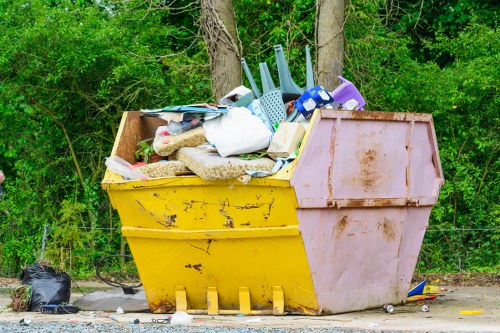 This Health and Safety policy sets out the commitments and procedures for Business Waste Removal Fulham and associated teams that deliver commercial waste removal, rubbish collection and clearance services across the company's operational service area. The purpose of this policy is to protect the health, safety and welfare of employees, contractors, visitors and the public while ensuring that rubbish company operations, waste transfer and business waste collection are carried out safely and responsibly. It provides a clear statement of the company's aims, responsibilities and systems for controlling risks associated with waste handling, transport and disposal.
The policy applies to all staff, including drivers, loaders, operatives, supervisors and office personnel, and extends to subcontractors engaged to provide supplementary rubbish removal services in the service area. Management will ensure that sufficient resources are allocated to implement safe systems of work, risk assessments, training and personal protective equipment. All employees must co-operate with these measures and follow safe working procedures. The company will maintain a non-discriminatory approach and foster a positive safety culture where hazards are reported and concerns are acted upon.
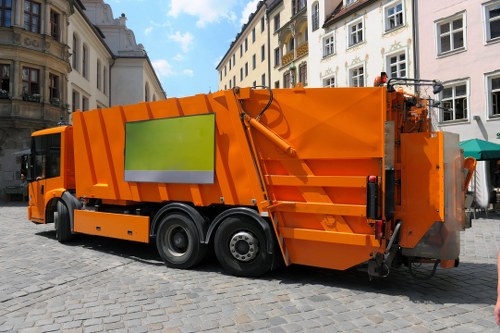 Key responsibilities are defined as follows: management will ensure legal compliance and provide leadership; supervisors will implement safe systems and monitor performance; employees must follow instructions and use controls provided. The policy requires documented risk assessments for routine and non-routine tasks, including manual handling, use of compaction equipment, operation of tail lifts, and the separation and containment of recyclable and hazardous wastes. Control measures will be proportionate and reviewed periodically and after any significant change in operations.
Operational Controls and Training
All rubbish removal activities will be subject to method statements and safe systems of work. Staff will receive induction training and job-specific instruction, refreshed at regular intervals and after incidents. Training includes manual handling techniques, vehicle loading protocols, correct use of lifting aids, safe operation of machinery and awareness of sharps and hazardous materials encountered during commercial waste collection. The company will maintain training records and competency checks in line with management review procedures.
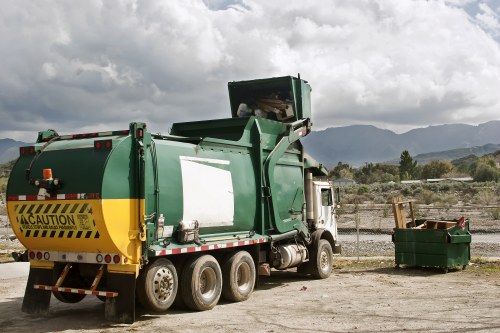 The company implements a hierarchy of controls: elimination, substitution, engineering controls, administrative controls and personal protective equipment (PPE). PPE, including hi-vis clothing, safety boots, gloves, eye protection and respiratory protection where necessary, will be provided and maintained. Employees must wear PPE as required and report damaged or missing items immediately. Supervisors will monitor compliance with PPE policies during routine inspections and site visits.
Hazardous waste and substances are managed under appropriate control measures. This includes segregation, clear labelling, containment and adherence to relevant waste classification procedures. The policy covers handling of chemicals, contaminated items, asbestos-suspect materials and other controlled wastes. Where applicable, the company will follow COSHH principles, provide associated training and ensure safe transfer to authorised treatment or disposal facilities.
Vehicle, Site and Emergency Procedures
Vehicle safety and driver responsibilities are central to the rubbish company service area operations. Vehicles will be maintained to statutory standards, inspected daily and defects reported. Drivers and operatives will follow safe loading and unloading procedures, secure loads correctly, and ensure that vehicle movements are managed to minimise risk to pedestrians and roadside users. The company will maintain records of vehicle maintenance, driver training and licence checks.
 Incident reporting, first-aid arrangements and emergency response procedures are defined and communicated. All accidents, near-misses and environmental incidents must be reported immediately and recorded. Investigations will identify root causes and actions to prevent recurrence. The company will maintain first-aid provisions, fire-fighting equipment, spill kits and emergency contact protocols for relevant depots and transfer sites while avoiding unnecessary local detail. Regular drills and reviews will test the effectiveness of emergency arrangements.
 Monitoring, audit and continual improvement are embedded into the health and safety management approach. Regular workplace inspections, performance indicators, compliance audits and management reviews will be undertaken to ensure that the policy remains effective and current. Records of risk assessments, training, incidents and corrective actions will be maintained and retained to demonstrate due diligence. The company will engage with employees to gather safety observations and encourage suggestions for safer waste removal processes.
To summarise, this policy promotes a systematic approach to managing risks arising from business waste removal, rubbish clearance and commercial rubbish collection within the service area. The company commits to ongoing review, statutory compliance and the provision of resources to eliminate or minimise hazards. All personnel are required to read, understand and implement this policy. Management will formally review the policy at planned intervals or following significant operational change to ensure its continued adequacy and effectiveness.
Approved and maintained by senior management. This policy is a statement of intent and a framework for action to protect people, property and the environment while delivering professional waste removal services. Compliance with these arrangements is mandatory for everyone working on behalf of the company.
- Scope: Business and commercial waste removal activities across the defined service area.
- Commitment: To prevent work-related injury and ill health through effective risk management.
- Review: Periodic audits and continuous improvement to maintain high standards for safety and environmental protection.
